
The Texas Roof Maintenance Schedule That Actually Adds Years
Muhammad Hassaan bin Irshad · June 24, 2026 · 5 min read
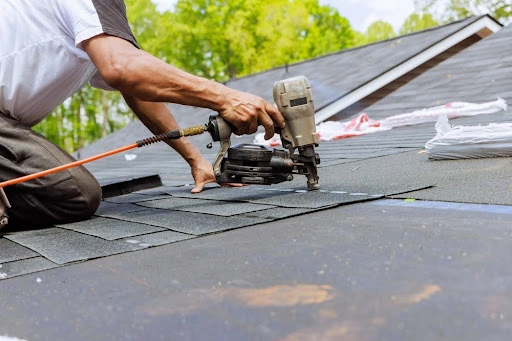
Roofs do not fail all at once. They fail slowly through small problems that compound: a cracked boot, a clogged gutter, a lifted shingle. Catch those early and you buy years. Ignore them and you buy replacement.
Below is the twice-a-year plus after-storm schedule we recommend for every North Texas homeowner. None of it is complicated. Most of it is free.
Spring (March – April)
Winter is mild in Dallas, but freezing nights and hail season is coming. Do these before the first big spring storm rolls through.
Ground-level inspection
Walk your perimeter. Look for:
- Missing or lifted shingles
- Debris caught on the roof
- Sagging spots along any slope
- Overhanging tree branches within 10 feet
Clean the gutters
Two years of leaves and grit blocks water flow and rots the fascia. Clean now and again in fall.
Check the attic
Look for water stains on decking, daylight through boards, mold or musty smell, or crushed insulation. A daylight check on a bright day catches small penetrations.
Book the annual inspection
Book it before storm season demand spikes. A professional inspection catches what a ground walk cannot — flashing detail, ridge cap seal, granule loss patterns.
After Every Hail or High-Wind Event
North Texas gets 2 to 4 hail events per storm season on average. Any hail over 1 inch, or winds over 50 mph, deserves an inspection — even if nothing looks damaged from the ground.
Reason. Wind can break shingle seals invisibly. Hail can bruise shingles in ways that only show up as accelerated granule loss over the next 12 months. Waiting until a leak appears means you have missed the insurance claim window (usually one year from the storm date).
Photo-documented inspections after storms serve two purposes: catching real damage, and creating a "no damage" baseline if the claim gets denied later on an older event.
Summer (July)
Summer maintenance is about ventilation and small repairs before hurricane season fringe events roll north in September.
Check attic temperature
On a hot afternoon, if the attic is 30°F+ hotter than outside, ventilation is failing. Trapped heat cooks shingles from below and shortens roof life. Common fixes: unblock soffit vents, add a ridge or box vent, install a solar attic fan.
Trim tree branches
Anything within 10 feet of the roof. Branches scrape granules off during wind, drop leaves into gutters, and drop entire limbs during thunderstorms.
Address anything flagged in spring
Small repairs identified in the annual inspection get done now — replacing a cracked pipe boot costs $150 to $300 and prevents a $2,500 interior repair later.
Fall (October)
The point of fall maintenance is to enter winter with everything sealed and draining.
Second gutter cleaning
Post leaf drop, clean gutters and downspouts. Confirm water flows freely from all downspouts to grade — not into the foundation.
Recheck sealants
Around chimneys, skylights, and vent boots, cracked sealant lets water in during winter freeze/thaw cycles. Reseal anything cracked with a UV-rated roof sealant.
Confirm attic insulation
Adequate insulation (R-30 to R-49 for North Texas) prevents warm-attic-cold-roof conditions that create the rare Dallas ice dam. Add insulation before December if depth is under 8 inches on old batt insulation.
Book a pre-winter inspection if the roof is past 12 years
Older roofs benefit from a second annual inspection. A cracked shingle in October becomes a January leak.
Winter (December – February)
Minimal work but keep watching.
Clear debris after ice or snow
Ice adds significant weight to the roof. Snow rarely stays long in Dallas but can. Never climb an icy roof — use a roof rake with a long extension pole from the ground.
Watch for interior signs
Water stains, condensation on ceilings, or musty smells in closets adjoining exterior walls signal problems from earlier storms finally showing up.
What Professional Maintenance Includes
An annual maintenance visit from a licensed roofer covers what you cannot safely see or reach:
- Ridge cap and hip inspection
- Flashing detail check at every penetration
- Granule loss measurement across all slopes
- Sealant condition assessment
- Decking condition from the attic side
- Photo report of the whole roof
This runs $150 to $350 in North Texas and catches issues years before they become emergencies.
What Skipping Maintenance Actually Costs
- Premature replacement. A 15-year-old roof with good maintenance often makes it to 22. Without, it fails at 15 to 17.
- Rejected insurance claims. Adjusters cite "wear and tear" or "lack of maintenance" to deny claims that would otherwise be covered.
- Interior damage. A single ignored leak can total drywall, insulation, and flooring in a single room — costing more than five years of maintenance.
Maintenance is the cheapest thing you will ever spend money on that touches your roof.
Book your annual maintenance inspection — $0 for the first visit, no obligation, and you keep the photo report. Dallas, McKinney, Frisco, Plano, Allen, Garland, Richardson, and Wylie. Schedule here.
Muhammad Hassaan bin Irshad
Founder of Topcraft Roofs, a fully insured roofing contractor based in Dallas, Texas, with 9+ years of hands-on roofing experience across the DFW Metroplex.
Frequently Asked Questions
Once a year at minimum, plus after any hail or wind event exceeding 50 mph. Roofs past 12 years benefit from twice-yearly inspections — spring after storm season and fall before winter.

Ready for a free inspection?
One form, two minutes — we will get back to you the same business day.