
Metal Roof vs Shingles in Texas Heat: A Real Comparison
Muhammad Hassaan bin Irshad · March 12, 2026 · 4 min read
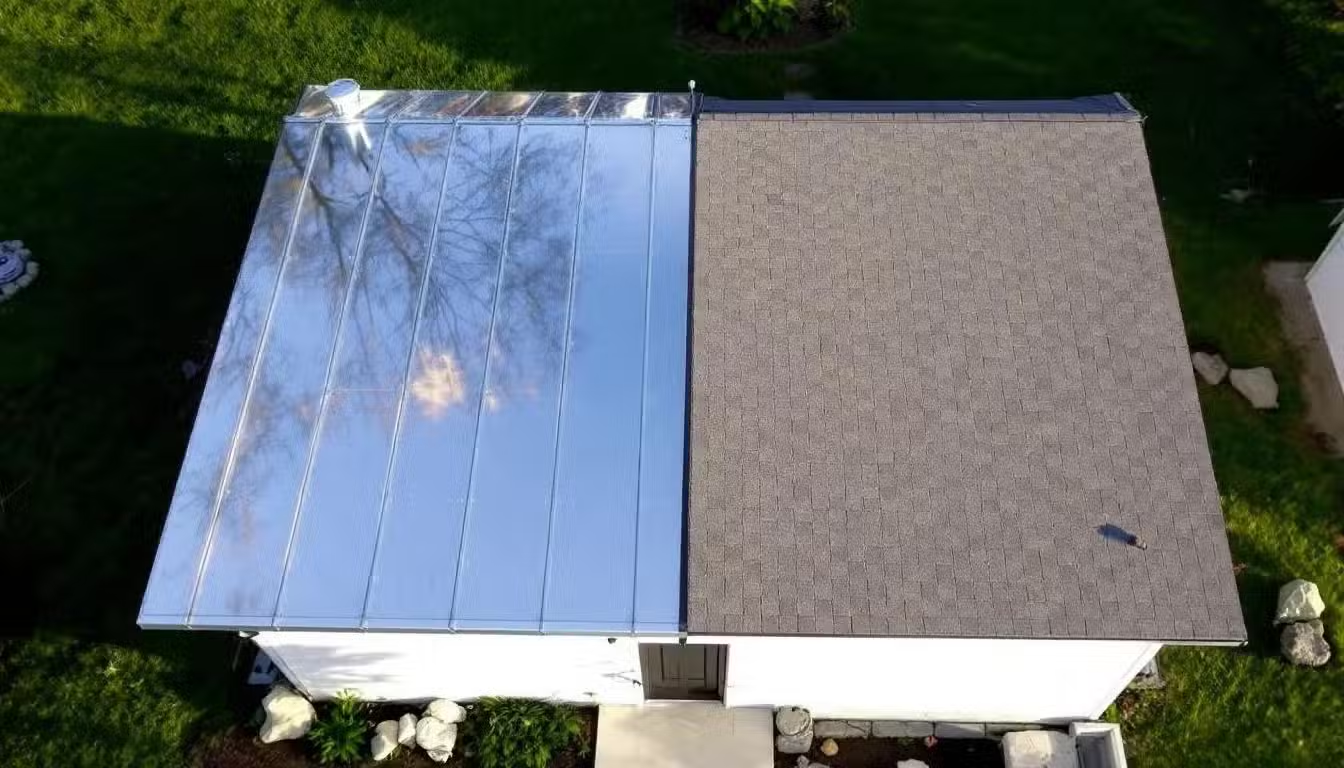
Texas summers push attic temperatures past 140 degrees. Spring hail seasons produce the highest per-capita insurance claim volume in the country. Any roofing comparison for this market has to account for those realities — not just the manufacturer data sheets.
Here is an honest side-by-side of metal roofing vs. asphalt shingles for North Texas homes.
Upfront Cost
| | Asphalt (Class 4) | Standing Seam Metal | |---|---|---| | Typical range (McKinney) | $13,000 – $22,000 | $22,000 – $45,000 | | Cost per sq ft installed | $4.50 – $7.50 | $8.00 – $16.00 |
Metal costs roughly double. That is real money, and it matters. But compare it over time, not at the moment of purchase.
Lifespan
Asphalt shingles in North Texas typically last 20 to 25 years. Manufacturers rate them for 25 to 30, but the heat index here ages shingles faster than the rating assumes.
Standing seam metal roofing, properly installed, lasts 40 to 70 years. A metal roof installed today on a McKinney home may never need to be replaced within the current owner's lifetime.
Over 40 years:
- Asphalt: 1.5 to 2 replacements at current pricing = $26,000 to $44,000
- Metal: one installation = $22,000 to $45,000
The total cost of ownership converges at around year 25 and tilts in metal's favor past that point.
Heat Performance
This is where metal wins clearly in Texas.
Asphalt shingles absorb solar heat. Dark shingles in particular — and most architectural shingles are medium to dark — can push attic temperatures well above ambient air temperature. That heat migrates into the living space and increases AC load.
Metal reflects solar radiation. The emissivity of metal is lower than asphalt, and the raised profile of standing seam creates an air gap between the panels and the decking. That gap prevents heat transfer significantly.
Homeowners with metal roofs in Collin County consistently report lower summer energy bills. The savings vary by home insulation, orientation, and HVAC efficiency, but 10 to 20 percent reduction in cooling costs is realistic.
Hail Performance
Both materials can be rated Class 4 (UL 2218), so both can achieve the highest hail resistance rating.
The difference is what happens when hail exceeds the rated threshold.
Asphalt shingles at the Class 4 threshold may still show granule loss and cosmetic damage from severe hail. The granules are what protect the underlying mat — once they are gone, the clock starts on accelerated degradation.
Metal dents under severe hail but does not breach. A dented metal roof still keeps water out. A dented metal roof may have cosmetic damage (which some policies exclude), but it remains functionally intact.
For homeowners in high-hail zones — which includes all of Collin and Dallas counties — metal's resilience under extreme events is a meaningful advantage.
Noise
The most common objection to metal roofing. Properly installed standing seam metal on a home with standard insulation and decking is not significantly louder than asphalt during rain. The sound concern is more relevant for exposed metal on outbuildings or minimal construction. On a typical North Texas home, it is not a practical issue.
When Metal Makes Sense
- You plan to stay in the home 15 or more years
- Energy efficiency matters (high AC bills)
- You want the lowest possible lifetime maintenance cost
- You are in a high-hail zone and want maximum resilience
When Asphalt Makes More Sense
- Selling in the next 5 to 10 years (metal does not always recover full cost at resale)
- Budget constraints make the upfront difference prohibitive
- HOA restrictions limit metal panel profiles or colors
- Roof pitch or complexity makes metal installation significantly more expensive
The Bottom Line
Neither material is universally better. Metal wins on lifetime cost, heat performance, and hail resilience. Asphalt wins on upfront cost and flexibility. The right answer depends on how long you plan to stay, your current energy costs, and your budget.
We install both. Our job is to show you the numbers specific to your home and let you make the call.
Free inspection and written quote across McKinney, Frisco, Allen, Plano, and surrounding North Texas communities. Schedule here.
Muhammad Hassaan bin Irshad
Founder of Topcraft Roofs, a fully insured roofing contractor based in Dallas, Texas, with 9+ years of hands-on roofing experience across the DFW Metroplex.
Frequently Asked Questions
For long-term homeowners, usually yes. Metal roofing lasts 40 to 70 years vs 20 to 25 for asphalt, handles Texas hail better, and reduces cooling costs. The higher upfront cost is offset by fewer replacements over a 40-year period.

Ready for a free inspection?
One form, two minutes — we will get back to you the same business day.