
Hail Damage Roof Checklist: What to Do in the First 72 Hours
Muhammad Hassaan bin Irshad · February 3, 2026 · 4 min read
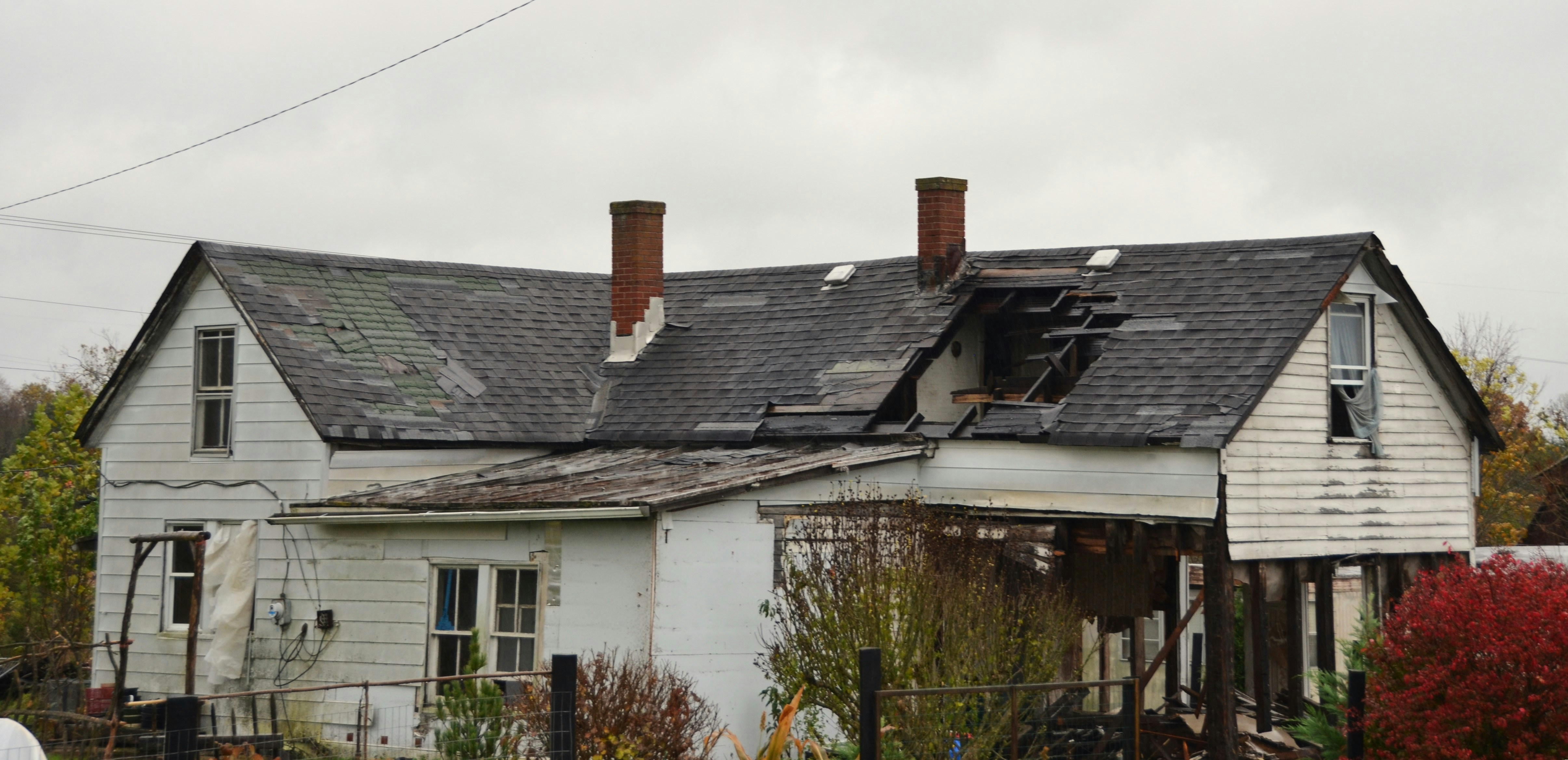
A hail event moves through North Texas in minutes. The damage it leaves behind can take months to show up as leaks — and by then, filing a claim is harder and the damage is worse.
Here is what to do in the first 72 hours.
Hour 1–4: Document Before You Touch Anything
Do not get on the roof yourself. Hail damage is often subtle — granule loss, bruised shingles, cracked vent caps — and requires a trained eye at close range to assess properly. A fall from the roof is not worth it.
Do this instead:
-
Walk the perimeter of your home and photograph every piece of soft metal you can see: gutters, downspouts, window screens, AC condenser fins, patio furniture. Hail that dents metal has sufficient energy to damage roofing material. If the metal is dented, the roof needs inspection.
-
Note the date and time of the storm. Write it down. Your insurance policy requires you to identify the specific date of loss when filing.
-
Check your neighborhood. If you see roofing crews on nearby homes or neighbors with tarps up, that is a signal that the storm caused widespread damage. This matters for the claim.
-
Do not clean up yet. Leave impact marks on decks and patio furniture visible for documentation.
Hour 4–24: Schedule a Professional Inspection
Call a licensed roofing contractor for a free inspection. This is the single most important step.
Here is what a professional inspection documents that you cannot document yourself:
- Shingle impact marks — circular bruises on the granule surface, often with the granules knocked away, exposing the mat underneath
- Soft metal damage — ridge cap dents, flashing impact marks, pipe boot damage
- Granule accumulation — excessive granules in gutters indicate the storm knocked protective material off the shingles
- Hidden damage — cracks in ridge caps, lifted seals on shingles at the valleys, flashing pulls at chimney bases
A good inspection produces a photo report with GPS-tagged images. This is your documentation for the insurance claim.
Hour 24–48: Review Your Policy Before Calling Your Insurer
Before you call your insurance company, know:
- Your deductible. Texas policies often have a separate wind/hail deductible — sometimes 1–2% of your home's insured value, which can be much higher than the standard deductible. Know this number before the claim goes in.
- ACV vs. RCV coverage. Actual Cash Value policies pay depreciated value — meaning a 15-year-old roof gets significantly less than replacement cost. Replacement Cost Value policies pay to replace. If you have ACV, the math on claiming changes.
- Cosmetic exclusions. Some policies exclude cosmetic damage (dents in metal, etc.) but cover functional damage. Read your policy or call your agent directly.
Hour 48–72: File the Claim
When you file:
- Provide the specific date of the storm (not a range)
- Describe the damage based on the inspection report, not your own visual assessment
- Ask when the adjuster will be assigned and when the inspection will be scheduled
Request to have your contractor present at the adjuster inspection. This is your right as the policyholder. When a licensed contractor is on site with the adjuster, the documented damage gets on the scope. When the adjuster works alone, items get missed.
What Happens Next
After the adjuster inspection, you will receive an Explanation of Benefits or a scope of loss. Review it carefully against the contractor's documented damage. If items are missing or undervalued, you have options — including a supplemental claim or an independent appraisal process.
Most legitimate hail damage claims in North Texas are resolved with the homeowner paying their deductible. The process is not as complicated as it sounds when you have the right documentation from the start.
Topcraft Roofs provides free hail damage inspections across McKinney, Frisco, Allen, Plano, Garland, Richardson, and Wylie. We photograph everything and can meet your adjuster on site. Schedule your free inspection.
Muhammad Hassaan bin Irshad
Founder of Topcraft Roofs, a fully insured roofing contractor based in Dallas, Texas, with 9+ years of hands-on roofing experience across the DFW Metroplex.
Frequently Asked Questions
From the ground you may see dented gutters, damaged downspouts, or bruised shingles with dark impact marks. The most reliable way is a professional inspection — hail damage to the shingle mat is often invisible at ground level.

Ready for a free inspection?
One form, two minutes — we will get back to you the same business day.