
10 Signs Your Roof Needs Replacement, Not Another Repair
Muhammad Hassaan bin Irshad · June 10, 2026 · 4 min read
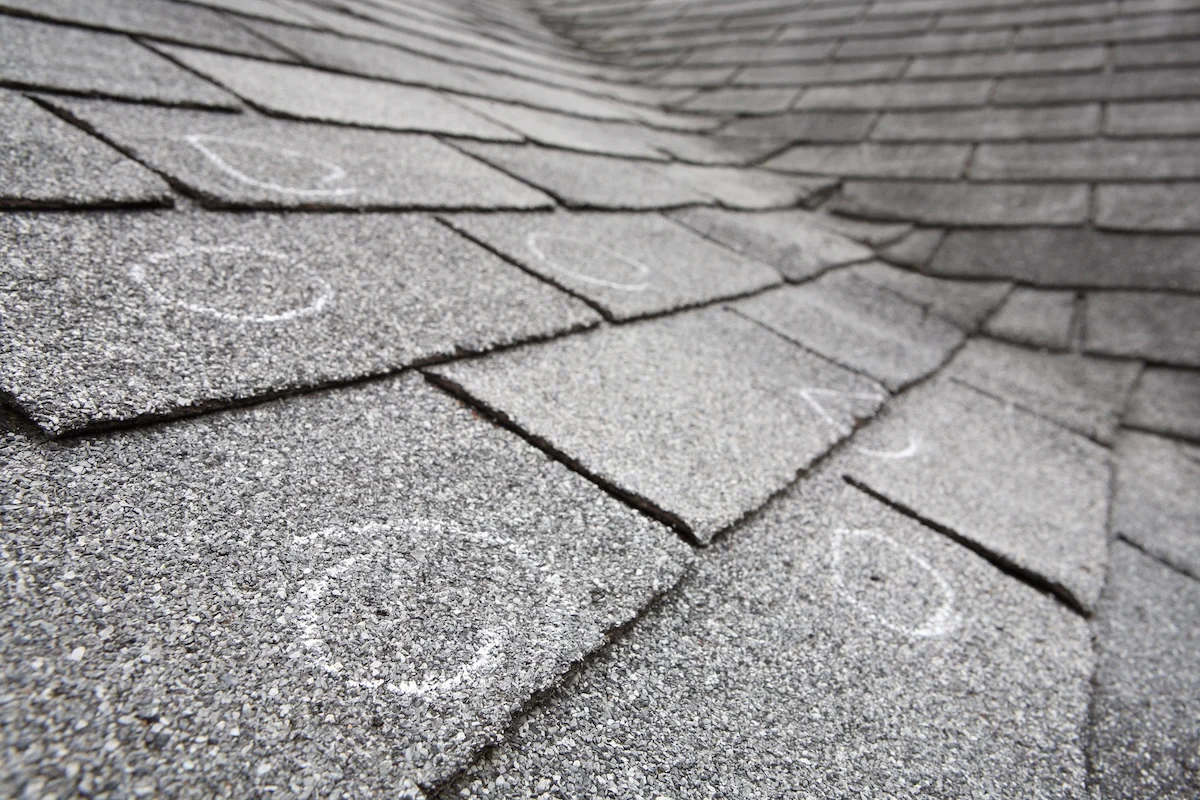
Some roofs get patched into their 30s. Most do not. When enough of the ten signs below stack up, you are no longer maintaining a roof — you are subsidizing its slow failure.
Here is how we call it on inspections.
1. The Roof Is Past Its Expected Lifespan
Asphalt shingles in North Texas do not hit the 30-year manufacturer rating. Real-world lifespan here is 18 to 22 years thanks to summer heat, UV load, and periodic hail.
If your roof is past 18 years and you are already patching, replacement is almost always the better decision. Every dollar of repair spent on a 20-year-old roof buys uncertain remaining life.
2. Curling, Cupping, or Clawing Shingles
Healthy shingles lie flat. When edges lift (curling), corners rise (cupping), or the whole shingle warps (clawing), the asphalt has lost its flexibility. This is age plus heat exposure, and it does not reverse.
Curled shingles no longer shed water reliably. Wind gets under them. The next storm makes it worse.
3. Missing Granules in the Gutters
Sweep your gutters. If you find piles of black or gray sand-like granules, your shingles are shedding their weather layer. Some granule loss is normal in the first year after install; ongoing heavy loss from an older roof is the shingles telling you they are done.
Once granules go, UV hits the asphalt directly and accelerates failure fast.
4. Bald Spots and Exposed Fiberglass
If you can see shiny fiberglass mat through worn shingles — the black or white webbing under the asphalt — the shingle is at end of life. There is no repair for this. Individual replacement of scattered shingles does not stop the surrounding shingles from failing the same way within a season or two.
5. Missing Shingles Across Multiple Slopes
One or two missing shingles from a storm is a repair. Missing shingles across multiple slopes — especially after a moderate wind event — means the sealant strip has failed sitewide. Every shingle is one gust from lifting.
Selectively replacing a few will not stop the rest from going.
6. Sagging Rooflines or Soft Decking
Walk your perimeter and sight down each slope. Any dip, wave, or sag means the decking underneath is compromised — usually from long-term moisture. This is structural, not cosmetic.
Sagging never gets better without opening the roof, replacing the affected decking, and installing new roofing. Trying to shingle over soft decking creates a new leak, not a fix.
7. Daylight Through Attic Boards
Go into the attic on a bright day. Turn off the lights. Look up. If you see daylight through the roof boards or around penetrations, water can follow the same paths. Small pinholes today; leaks by next spring.
8. Persistent Interior Water Stains
Ceiling stains that keep coming back after "fixes" mean the water is finding new paths — or the original path was never the actual source. On older roofs, once one leak appears, others are usually queued up.
If you have patched the same wall or ceiling twice and the stain returns, the roof has failed as a system.
9. Repeat Storm Damage Claims
If you have filed two or more storm claims in the last five years, your insurer knows. So does the next buyer if you sell. A full replacement — often insurance-funded after a covered storm — resets the clock and gives you documentation of a new roof with a warranty.
Chasing individual repairs across claims is worse for your record than a single replacement claim.
10. Neighbors Have Already Replaced
Roofs on the same street were installed around the same time and have taken the same weather. If half your block has replaced their roof in the last three years — and you have not — you are on borrowed time.
This is not FOMO. It is climate math. Storm cells hit whole neighborhoods, and roofs age together.
When Repair Still Makes Sense
Not every sign above means "replace tomorrow." A roof under 12 years old with one or two signs is almost always a repair candidate.
The threshold: three or more signs on a roof past 15 years usually crosses the line. Two or more signs on a roof past 18 years definitely does.
What the Inspection Confirms
The only way to make the call with confidence is a photo-documented inspection — every slope, every penetration, decking condition from the attic side. We show you what we see and let the roof make the case, not a sales pitch.
Free roof inspections across Dallas, McKinney, Frisco, Plano, Allen, Garland, Richardson, and Wylie. Schedule yours here — no obligation, and you keep the photo report either way.
Muhammad Hassaan bin Irshad
Founder of Topcraft Roofs, a fully insured roofing contractor based in Dallas, Texas, with 9+ years of hands-on roofing experience across the DFW Metroplex.
Frequently Asked Questions
A standard asphalt shingle roof in North Texas lasts 18 to 22 years — shorter than the manufacturer's rating because of heat, UV, and hail. Metal roofs last 40 to 70 years. Tile can exceed 50 years.

Ready for a free inspection?
One form, two minutes — we will get back to you the same business day.